
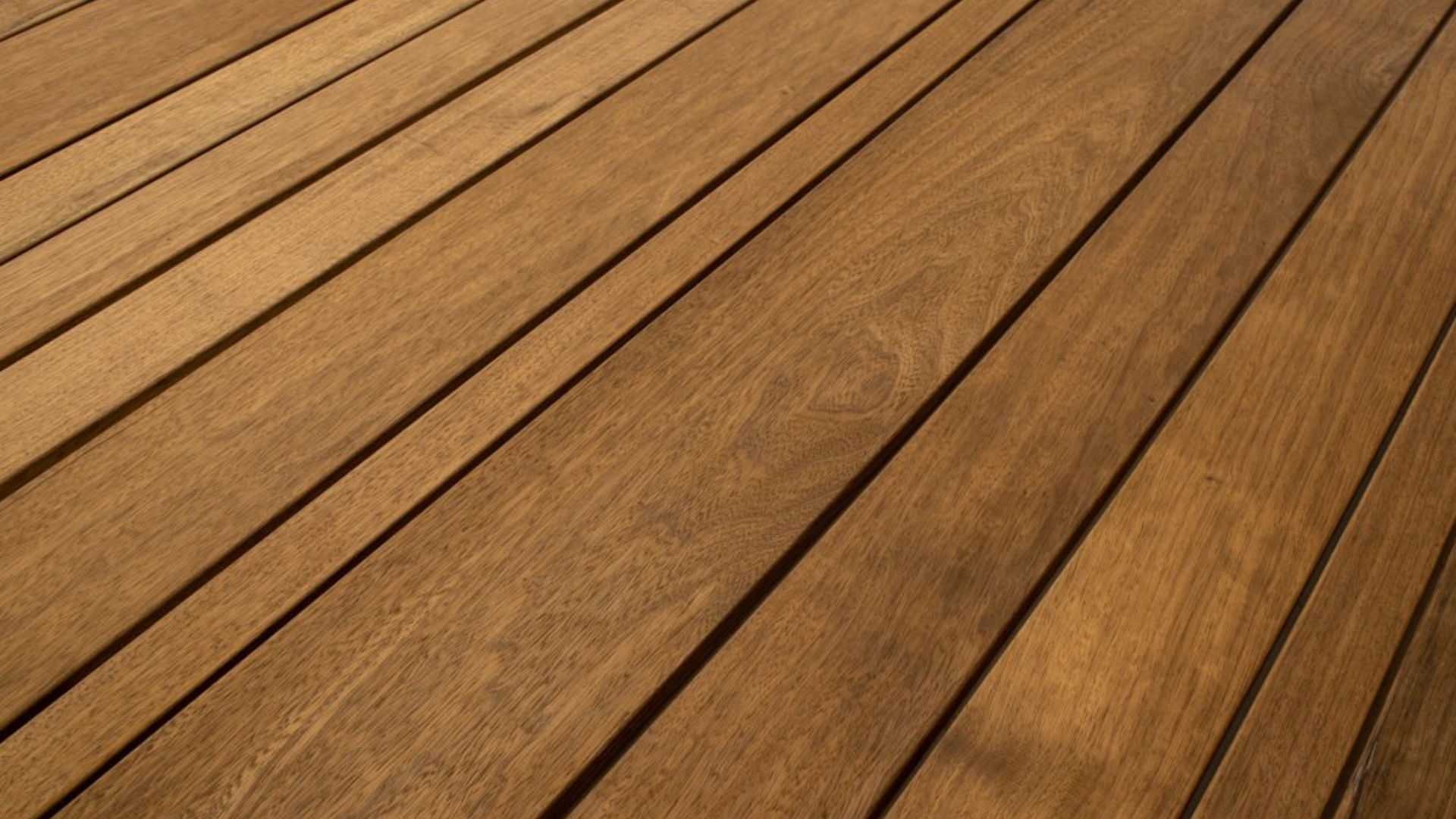
Thermally modified wood, while offering benefits like enhanced durability and dimensional stability, generally does not have improved the reaction to fire compared to untreated wood. It may even exhibit increased flammability under certain conditions. The fire performance of thermally modified wood is influenced by factors like the treatment temperature and duration, and the species of wood.
But is this really the case? Thermal modification is, after all, limited to the surface, precisely the area that also chars when exposed to high temperatures. Is there a difference between the char layer and the thermally modified surface?
Experiments in the fire lab are needed to investigate the difference between thermally modified wood and untreated wood. The results must be interpreted using literature research.